The Evolution of the Game
Golf has always evolved, and today’s conversations about equipment often overshadow the equally significant changes in course conditions. Modern turf varieties, improved drainage, shifting water resources, and rising golfer expectations all influence how a course plays and performs. These factors shape not only the daily experience but the long‑term sustainability of a facility.
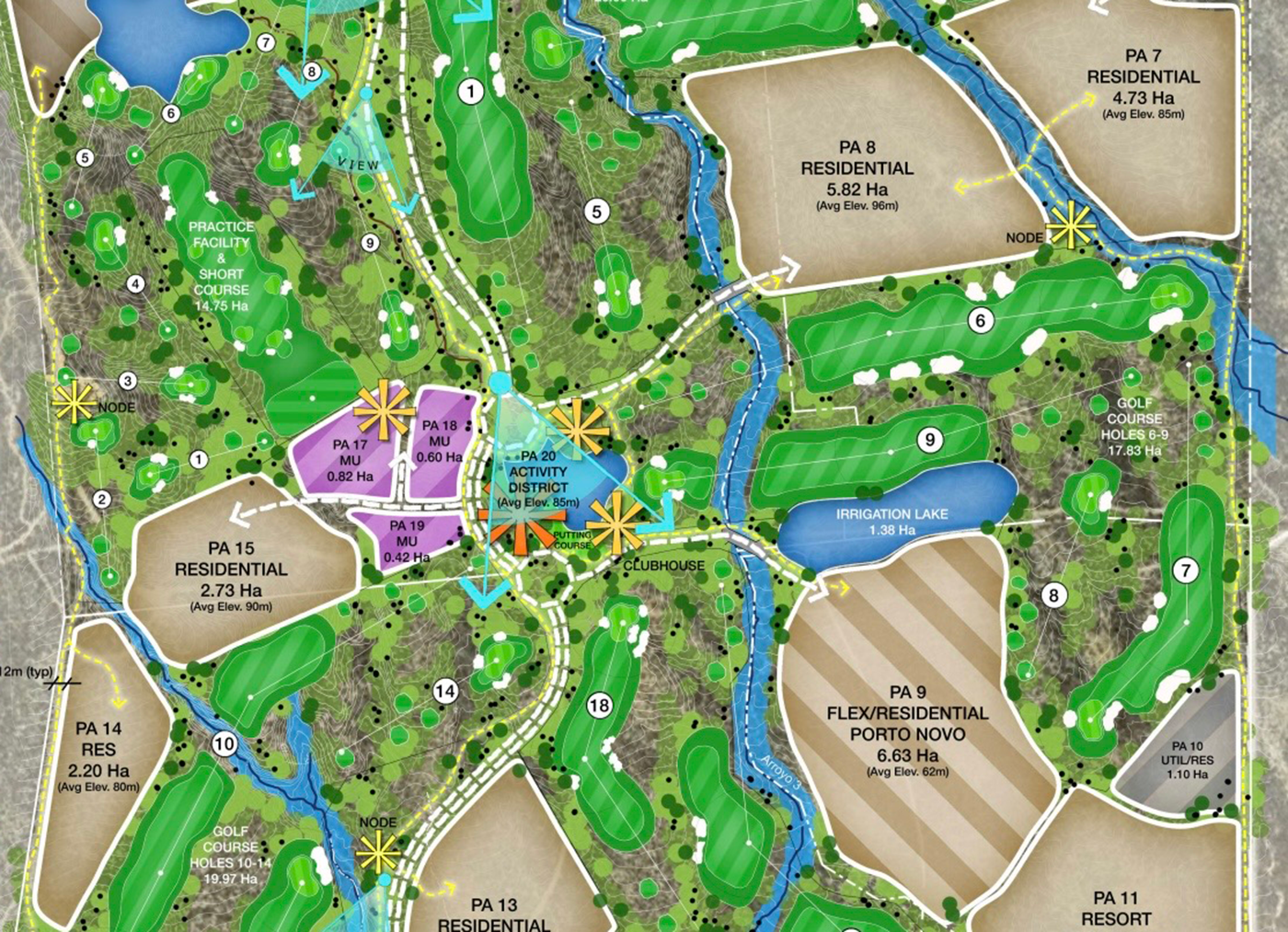
With new course construction slowing, many established clubs are looking for ways to stay competitive and relevant. While golf is a passion for players, every facility is also a business—and successful businesses rely on a clear strategic plan. For golf courses, that plan is the Master Plan: a long‑term roadmap that guides improvements, aligns decision‑making, and ensures every project supports a unified vision rather than individual preferences.
The Master Plan Process
A successful Master Plan begins with assembling a committee that represents the full spectrum of the club—board members, association leaders, golf professionals, and the superintendent. Gary’s role is to join that team, not dictate to it. He takes the time to understand your course, your players, and your operations so the Master Plan becomes a practical, tailored business plan for your facility rather than a generic set of recommendations.
Turning Vision into Action
Gary’s focus is on providing clear, well‑supported information that helps your team understand not just what is being proposed, but why. When the purpose behind each recommendation is clear, it builds alignment and confidence. Gary’s goal is to communicate the Master Plan in a way that empowers everyone involved to speak knowledgeably about the course’s future—creating clarity, momentum, and a shared commitment to the path ahead.